When you start planning a corporate event, conference, incentive trip, or gala dinner abroad, you will likely reach out to one of three types of agencies. Some clients contact a DMC agency (Destination Management Company), a local expert embedded in the destination. Others go to a broader event agency that operates across multiple markets. And some, particularly for high-end reward programmes, work with a luxury travel agency that specialises in bespoke itineraries.
The type of agency you choose matters, and we will write more about that distinction some other time. But here is the important thing: the questions you should ask before signing are the same in every case. Whether you are briefing a DMC in Belgrade, an event agency in London, or a luxury travel house in New York, a good agency should be able to answer all ten of the questions below clearly, confidently, and without hesitation.
If they cannot, or if the answers feel vague, then keep looking.
1. How long have you been operating in this specific destination?
This is the first and most revealing question you can ask. There is a significant difference between an agency that operates globally with a network of local subcontractors and a local agency that is physically present, has built relationships with venues and suppliers over the years, and knows exactly which hotel manager to call on a Sunday afternoon. A local agency brings something no global platform can replicate: accumulated on-the-ground knowledge. They know which venues are overrated, which caterers consistently deliver, and which experiences will genuinely surprise your group — not just look good on a PDF. Ask for specifics.
“We work in over 40 countries” is not the same as “we have been operating in Belgrade for seven years and this is our primary market.”
2. Can you share two or three case studies similar to our event?
A credible agency should be able to walk you through comparable events they have delivered, the size of the group, the type of programme, the challenges they faced, and how they resolved them. Noting “many satisfied clients” is not enough. Look for case studies that match your context. If you are organising an incentive trip for 35 people from the pharmaceutical industry, ask if they have done something similar. If you need a conference with simultaneous interpretation for 200 delegates, ask to see how they handled that before.
The quality of the case study tells you as much as the event itself. A well-documented case study shows that the agency is organised, reflective, and proud of its work.
3. What is your response time guarantee during the planning process?
Event planning is time–sensitive. Venue availability changes. Flights fill up. Catering windows close. An agency that takes 48 hours to respond to a routine question during the planning phase will almost certainly be slower when it matters most.
Ask directly: What is their standard response time during business hours? Do they have an ‘out-of-hours’ contact for urgent matters? Who specifically will be handling your account, and what happens if that person is unavailable?
A local agency often has a natural advantage here, when your event is their primary market, not one of dozens of destinations they manage remotely, they tend to be faster, more attentive, and more invested in the outcome.
4. How do you handle last-minute changes and on-site problems?
No event goes entirely to plan. Flights are delayed. A keynote speaker cancels. The private venue you booked has a pipe issue on the morning of your gala dinner. What matters is not whether problems happen, because they will, and how the agency responds when they do.
Ask for a specific example of a problem they solved on-site. Any experienced agency will have several. If they cannot name one, that is a red flag.
Always ask who will be physically present at your event on the day. A remote project manager is not the same as a dedicated on-site coordinator who can make real-time decisions.
5. Do you have direct contracts with local hotels and venues?
This question distinguishes agencies that have good local relationships from those that act as middlemen on public booking platforms.
A local agency with established contracts can often secure better rates, priority availability, and added flexibility, upgraded rooms for VIP delegates, extended check-out times, and reserved spaces in sold-out periods. They also have direct lines to the decision-makers at each property, which becomes invaluable when something needs to be resolved quickly.
Ask specifically: do they have preferred partner agreements with hotels in the destination? Can they provide a block of rooms under your event dates, and what are the cancellation terms?
6. What is your fee structure, and what is included?
Pricing transparency is a mark of a trustworthy agency. Some agencies charge a flat management fee. Others work on a percentage of the total event budget. Some include coordination, logistics, and on-site management in one package; others bill these separately.
There is no universally correct model, but you should understand what you are paying for before you sign. Ask for a detailed breakdown, and always ask what happens if the event scope changes. Ask whether supplier commissions are disclosed or built into the price.
If the local agency won’t explain clearly how they charge you, don’t let them touch your budget.
7. Who will be our main point of contact during the project?
In larger agencies, it is common to be handled by a senior salesperson during the pitch, then handed to a junior coordinator once the contract is signed. This transition can cause loss of context, slower communication, and frustration, particularly when the person managing your event on the day has never spoken to you before.
Ask directly: who will you be emailing at 21:00 when a question comes up? Is it the same person who is on-site during the event? How many accounts does that person manage simultaneously?
With a boutique local agency, you typically deal with the same person, often the founder or a senior team member, from the first inquiry through to the post-event debrief. That continuity has real value.
8. What happens if a key supplier cancels close to the event date?
This is the question most clients forget to ask, and the one that reveals the most about an agency’s resilience. A venue cancellation, a catering company going out of business, a coach company losing its licence a week before your incentive trip: all of these have happened to real event planners. The question is whether your agency has backup options ready, contractual protections in place, and supplier relationships to pivot quickly.
Ask: What is their contingency plan if the primary venue becomes unavailable? What are the contractual obligations of their suppliers regarding cancellation?
A well-run local agency with deep destination knowledge will have alternative suppliers pre-vetted and relationships that allow for faster recovery than any out-of-market agency managing the situation remotely.
How Belgrade Incoming Hub Answers Each of These
We believe the checklist above should apply to every agency, including us. So here is how Belgrade Incoming Hub answers each question directly.
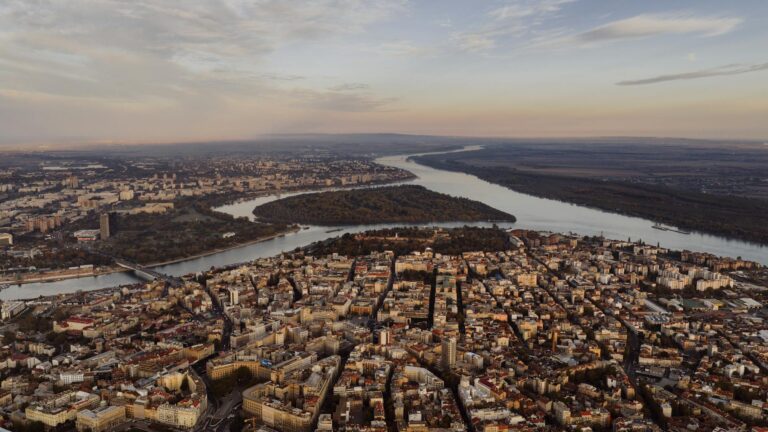
1. How long have you been operating in Belgrade? Belgrade is our only market. We are not a global platform managing Serbia among forty other destinations; Belgrade is where we live, work, and have built every supplier relationship we rely on. Our founder, Marko Škuletić, has been operating in the Serbian MICE and corporate events space for years, and every venue partnership, hotel contract, and catering relationship has been built in person, over time, in this city.
2. Can you share case studies? Yes. We have organised corporate programmes for international clients, including Mattel and Shyft Moving, among others. We are happy to walk you through the details of these, such as brief, the programme we built, and how we delivered it. Contact us, and we will share specifics relevant to your event type.
3. What is our response time? We respond to all client enquiries within 1-2 hours during working days, and we provide an emergency contact for urgent matters during active programme periods. You will not be waiting 48 hours for an answer when a decision needs to be made.
4. How do we handle on-site problems? We have experience with delayed group flights, last-minute venue accessibility issues, and catering timeline problems, among others. In every case, having a team physically present in Belgrade with real supplier relationships meant we could resolve the situation quickly and without the client group being affected. We are happy to share specific examples during an introductory call.
5. Do we have direct hotel and venue contracts? Yes. We work with a network of Belgrade hotels and venues under established agreements, which means better rates, priority access during high-demand periods, and flexibility that public booking platforms cannot offer.
6. What is our fee structure? We charge a transparent management fee, clearly outlined in every proposal. There are no hidden commissions. You see exactly what you are paying for before you sign anything.
7. Who is your main contact? You work directly with our founder and senior team from the first enquiry to the post-event debrief. There are no handoffs to junior coordinators. The person you speak to during the proposal phase is the person coordinating your event on the ground.
8. What happens if a key supplier cancels? We maintain pre-vetted alternative suppliers for every critical programme element, such as venues, catering, transport, and entertainment. If something goes wrong close to your event date, we have plan B ready before you even hear about plan A failing.
Ready to Talk?
If you are planning a corporate event, conference, incentive trip, or gala dinner in Belgrade and want to work with a local agency that can answer every question above without hesitation, we would be glad to hear from you.
Contact Belgrade Incoming Hub to tell us about your event and receive a no-obligation proposal.