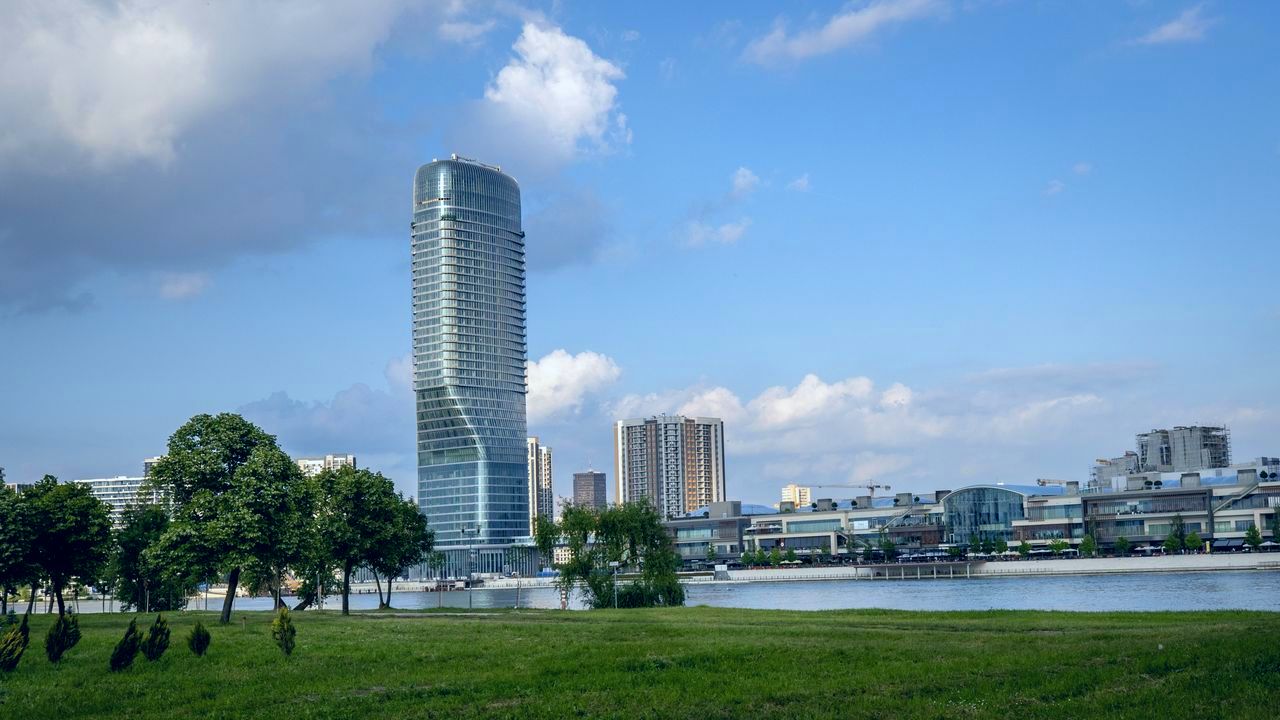
When a corporate client from Germany, the UK, or the US picks a city for their next conference or incentive trip, they rarely rely on a single data point. They look at the full picture: high-quality hotel inventory, direct flight connections, and whether delegates will receive consistent service outside the boardroom. Over the last decade, Belgrade has undergone a rapid transformation. And what makes it remarkable is that this progress did not happen in isolation, but across several key pillars simultaneously.
Global Hotel Chains Recognized the Potential
The most visible part of this story is in hospitality. A city that had 67 hotels in 2014 now boasts over 120. But total inventory is just the starting point. What truly shifts how international corporate buyers perceive Belgrade is who decided to invest. The St. Regis Belgrade, Hilton, InterContinental, Hotel Indigo, Mama Shelter, Moxy, and Courtyard by Marriott, so these brands do not open in a market by accident. Each runs an exhaustive feasibility study before committing capital, analyzing long-term commercial demand, regional stability, and growth trajectories. When this many household names enter the same city in a relatively short timeframe, it sends a clear message to procurement teams: global hospitality leaders see long-term value here.
For every event planner, an international brand brings something tangible: predictable service standards, familiar booking channels, and the certainty that a large block of rooms can be locked in for specific dates without operational surprises. That is the difference between a destination you have to pitch with caveats and one that speaks for itself.
Airport Connectivity Follows Suit
Expanded hotel capacity means little without matching air access, and Belgrade has delivered impressive progress on this front as well. Belgrade Nikola Tesla Airport now links the city to over 100 direct destinations worldwide, a major leap compared to just a few years ago.
National carrier Air Serbia flies directly to over 100 destinations, including long-haul routes to New York (JFK) and Chicago (ORD) in the US, as well as Shanghai and Guangzhou in China. For the MICE industry, this isn’t just a brochure stat. This is a decisive operational factor. A C-suite delegation or executive team from North America or Asia can now land in Belgrade without multi-stop layovers, something virtually unthinkable for a city of this size a decade ago. When hotel inventory and direct flight routes expand in tandem, a destination transitions from being merely attractive on paper to fully functional for large corporate groups.
A Culinary Scene Capturing Global Attention
The third piece of the puzzle, often unexpected when discussing core MICE infrastructure, is gastronomy. Belgrade has quietly built a world-class dining ecosystem. In the latest edition of the Michelin Guide for Serbia, 25 restaurants received official recommendations, with the vast majority located in Belgrade. Restaurant Langouste, led by Chef Marko Đerić, holds a Michelin star, a historic first for Serbia, and a distinction the restaurant successfully retained in the guide’s subsequent edition.
For corporate decision-makers organizing gala dinners or executive hosting programs, this is far from a minor detail. Offering delegates a dining experience backed by international culinary acclaim elevates the entire tone of a business trip, shifting it from “good and expected” to a memorable highlight guests talk about long after returning home.
Belgrade as an Established Tech Hub
What further solidifies Belgrade’s standing as a serious corporate destination is the presence of major global tech companies that have anchored core R&D centers here, with Microsoft as a prime example. Established in 2005, the Microsoft Development Center Serbia was among the tech giant’s early engineering hubs in this part of the world. Today, over 800 engineers in Belgrade build products used globally, including Microsoft Word, Microsoft 365 Copilot, Azure, and Fabric.
While this might seem disconnected from event logistics at first glance, its impact on corporate procurement is substantial. When an international enterprise sees that a firm like Microsoft has trusted Belgrade with critical engineering operations for over two decades, it reframes the city’s risk profile. Belgrade moves from an “exotic alternative” to a thoroughly vetted market trusted by the world’s most demanding corporations.
Building Trust Ahead of EXPO 2027
When you connect these threads, a growing portfolio of global hotel brands, expanding direct air access, a Michelin-recognized culinary scene, and a thriving corporate tech footprint, it becomes clear why Belgrade is earning the trust of international event organizers. This infrastructure, built steadily over the past decade, serves as the foundation for the city as it prepares to welcome millions of visitors for EXPO 2027.
Hosting events on that scale requires proven operational capability: the infrastructure to house, feed, and seamlessly move thousands of delegates without sacrificing quality. International hotel chains mean guests coming for EXPO 2027 will find the service benchmarks they expect in any major global capital.
What makes this trajectory compelling isn’t a single statistic, but how every indicator points in the same direction. Hotel groups, airlines, culinary guides, and global tech leaders rarely align on a market simultaneously by coincidence. For corporate event planners evaluating their next European location, this is stronger than any promotional campaign: independent industries, applying their own rigorous criteria, have all reached the exact same conclusion about Belgrade.
Planning a corporate event, conference, or incentive trip in Belgrade?
Contact Belgrade Incoming Hub for a tailored proposal for your group.